
A community built on looking closely and listening well
Lantern Row Stories exists so that people who care about photography and local stories have somewhere to practise together, share work kindly and learn how to do it responsibly.
Why this community exists
Lantern Row Stories began in 2017 in Belleville, Ontario, among a few people who wanted to document ordinary life nearby. We still work on a small, human scale. Our aim is to look carefully, listen patiently and share what we find with respect.
The community grew from a simple observation: most of what matters in a town never reaches a headline. A baker's early start, a street festival's quiet set-up, a neighbour's long memory of how a block used to look. These are the subjects we want to photograph and write about, because they show how people actually live.
Margaret Hollis, our founding editor, has photographed small-town life across Ontario for more than twenty years. She set the editorial direction and the community guidelines from the beginning. Her principle was that a good documentary picture is one the subject would recognise as fair, even if it is not flattering.
We are not a news outlet and we do not campaign. Our work is cultural and observational, built around relationships, routines, traditions and the small projects that keep neighbourhoods running. We avoid sensational framing and we avoid claims we cannot support in plain words.
Participation is the other half of our purpose. Members join walks, portrait evenings, story circles, print review nights and listening sessions to improve their craft and to meet people who share their curiosity. Experience with a camera is welcome but never required.
Honesty runs through all of it. Interviews and first-person pieces that are samples are labelled as such, captions say what we know, and consent is discussed openly rather than assumed. Our three values, respect, curiosity and honest storytelling, are less a slogan than a checklist we return to.
A picture is fair when the person in it would recognise themselves and feel they were treated with care. That is the standard I ask of everyone who takes part.
Margaret Hollis, Founding Editor
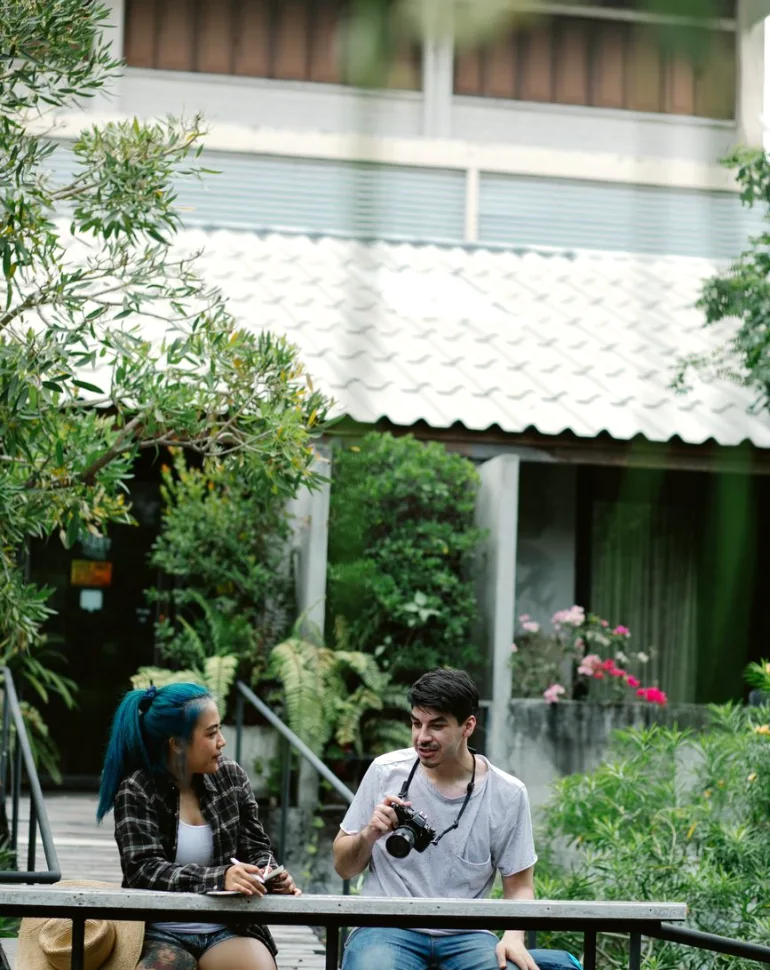

Four organisers and a shared table
Lantern Row Stories is organised by four people who each look after one part of the community: editorial direction, walks, story circles and print review. We meet members in Belleville and welcome anyone who wants to look and listen more carefully. Everything stays small on purpose.
Our PurposeA gentle path for newcomers joining in
Joining Lantern Row Stories is meant to feel unhurried. You do not need professional equipment or a portfolio, only an interest in everyday life and a willingness to follow our guidelines. This path shows how most newcomers find their footing.
Read the guidelines
Start with our principles on consent, honesty and respect for the people we photograph and write about. They are short and plain. Reading them first means you arrive knowing what we ask and what you can expect from us.
What you leave withA clear sense of how we work and what is expected of members.
Write to us
Use the contact page to say which activity appeals and what experience you bring, even if that is none. An organiser will reply with the practical details for that format and answer any questions about what to bring.
What you leave withA reply from an organiser with the details of the activity you chose.
Try a first gathering
Come to a walk, an evening or a circle as a guest and simply take part at your own pace. Nobody expects finished work. Watch how others go about it and join in when you feel ready.
What you leave withA first experience of the group, with no commitment attached.
Share something small
When it feels comfortable, bring a print, a short story or a memory to a review night, circle or listening session. Feedback is offered kindly and aimed at helping the work, never at judging the person.
What you leave withThoughtful comments on your own work from fellow members.
Keep coming back
Many members settle into one or two formats and return as they like. Over time you can build a small photo essay or a written piece, helped by the organisers and by the habits you have practised.
What you leave withA growing body of work and a circle of people who know it well.