
Window Light in the Darker Months: Preparing for Portrait Evenings
As the days shorten, our portrait evenings turn to low sun and window light. Here is how to plan, prepare a sitter and make the most of soft autumn and winter rooms.
Daniel Okafor · · 6 min read
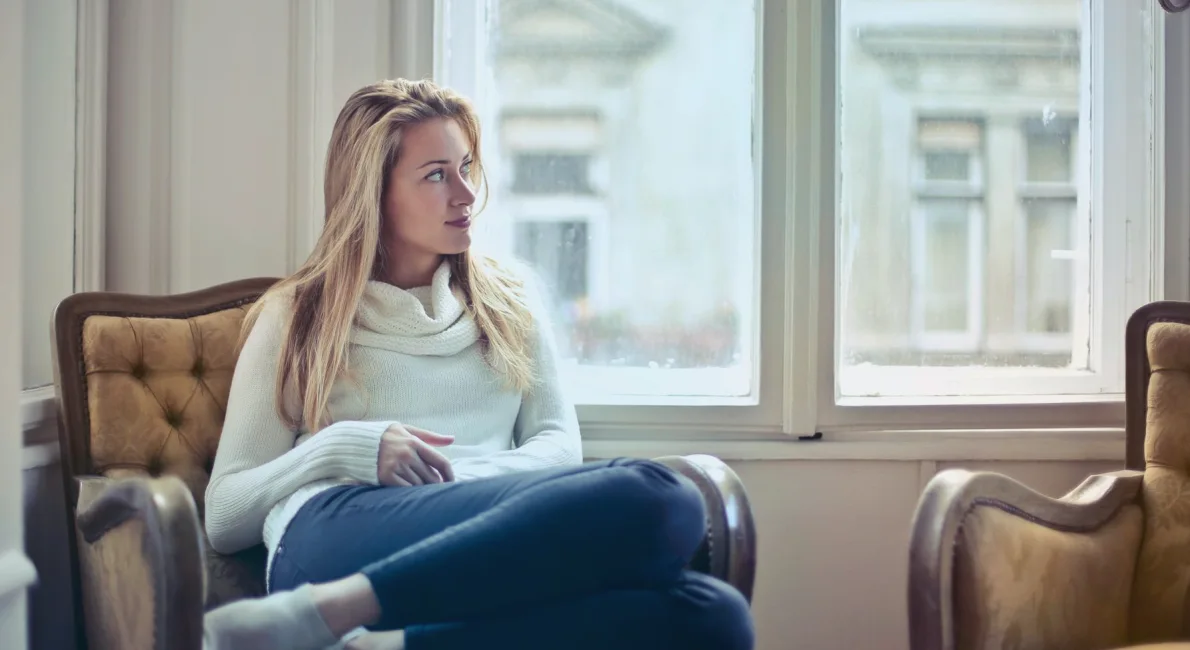
Why the season changes your portraits
Mid autumn is when most of us start to notice how quickly the afternoon light thins. Around Belleville the sun sits lower, the sky is often a soft grey, and rooms that felt bright in July now need a little coaxing. I have run our Portrait Study Evenings through several winters, and I have come to think of the darker months as the best teacher for honest portraits.
Low, diffused light is forgiving. It softens the lines on a face without erasing them, and it asks the photographer to slow down. You cannot rush a window-lit portrait in November; you wait for a cloud to pass, you ask your neighbour to turn a few degrees, and you watch what the light does to the eyes.
This note looks ahead to the coming months, so that you arrive at an evening already thinking about the room rather than the camera.
Choosing the window before you choose the sitter
Before you invite anyone to sit for you, spend a few days watching one window at different hours. A north-facing window gives a steady, cool light that barely changes through the day. An east window is lovely in the morning and flat by noon. A west window turns warm and low in the late afternoon, which in these weeks arrives early.
Stand where your sitter would stand and look at the glass. Notice how far the light travels into the room and where it falls away. That fall-off is your friend: a face placed near the window and turned slightly toward it gets a gentle gradient from bright to quiet.
Keep a small notebook by the window. Jot down the time, the weather and what you saw. By the time you bring a willing neighbour into the room, you will already know when the light is at its kindest.
- Watch one window across a full day
- Note the direction it faces
- Mark where the light fades into the room
- Record weather and time in a notebook
Asking a neighbour to sit, and doing it gently
The most important preparation has nothing to do with exposure. Our evenings are built around willing neighbours, and willing means that the person has understood what you intend, where the picture might be shown and that they may say no at any moment, including after the session.
When I ask someone, I describe the evening plainly: how long it takes, what the room will be like, and that they will see the pictures first. People relax when they know the shape of the hour. Offer tea, pick a time that suits them rather than the light, and let them bring a favourite chair or a scarf if they wish.
Autumn helps here. A warm kitchen, a cup in the hand and an unhurried chat do more for an honest expression than any instruction about posture. Talk first, photograph later, and let the camera stay quiet on the table for the first ten minutes.
Simple kit for low light
You do not need a bag of equipment. A camera that handles higher sensitivity settings without too much noise, a lens that opens wide, and a plain white card or sheet of foam board will carry most of an evening. The card is the quiet hero: held opposite the window, it bounces a little light back into the shadow side of the face.
Resist the urge to switch on lamps. Mixed light from a ceiling bulb and a window gives uneven colour that is tiresome to correct. Turn the room lights off, close the door to any brighter hallway and let the window do the work.
Steady your camera with a tripod or a firm elbow on a table, because shutter speeds drop as the afternoon fades. A slower speed is fine if your sitter is relaxed and still, and a little softness can suit a quiet portrait better than crisp detail.
- Wide-aperture lens
- White reflector card or foam board
- Tripod or a steady surface
- Lamps switched off
Reading the face as the light drops
Within an hour at this time of year, the light can change noticeably. Begin with your sitter close to the window and take a few frames to see how the shadow falls along the cheek and nose. Then move them a step back and look again. Each step changes the mood, from open and bright to reflective and a little solemn.
Pay attention to the catchlight, the small window-shaped reflection in each eye. It tells you the sitter is facing the light and gives the portrait life. If it vanishes, you have turned them too far.
At our evenings we pin a few frames side by side and talk about what each one says about the person. Often the plainest frame, taken between poses while someone is laughing at their own awkwardness, is the one the sitter chooses.
Planning your winter portrait notebook
The coming months reward patience. Pick two or three neighbours you would like to photograph, note which rooms in their homes have good windows, and arrange sessions across the season rather than all at once. Early winter snow outside brightens a window remarkably, so a grey afternoon can suddenly become generous.
Bring prints back to the people you photograph. A small print handed over at the door, without being asked, builds the trust that makes the next sitting easier and keeps the practice rooted in respect.
Come to an evening with your notebook, a handful of questions about the light you have been watching, and a willingness to be surprised. We will work through windows together, one face at a time.
- Choose two or three willing sitters
- Spread sessions across the season
- Return a print to each person
The darker months are not a handicap for portraits; they are an invitation to look more carefully. Watch your window, ask your neighbour kindly, keep your kit simple and let the light fall where it will. Come along to a Portrait Study Evening this season and bring what you have noticed, and we will talk through it over tea. Honest portraits grow slowly, and a quiet room in late autumn is a very good place to begin.