
Two Ways to Share Prints at Review Night: Which One Serves You Better
Bringing a finished set or a loose handful of prints leads to very different conversations at Print Review Nights. Here is how the two approaches compare, and which one I suggest.
Daniel Okafor · · 5 min read
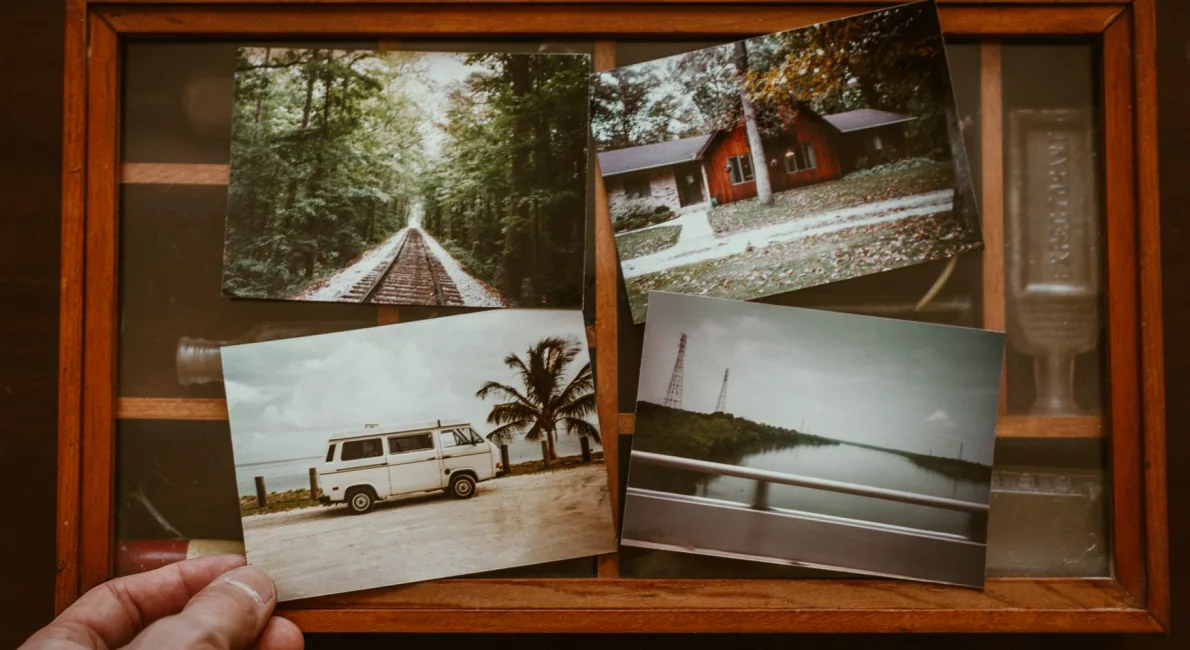
Two ways to arrive at the table
Over the past few autumns I have watched members arrive at Print Review Nights in one of two ways. Some carry a sleeved, sequenced set of ten or twelve prints that they consider close to finished. Others bring a loose stack, maybe twenty or thirty frames from a season of walking, with no firm idea of what belongs together. Both groups are welcome, and both leave with something useful, but the evening feels quite different depending on which approach you choose.
This note compares the two options plainly and ends with a recommendation. I am writing it for anyone who has been hesitating over what to put in the box before heading to Front Street, especially with the darker evenings arriving and more people turning to indoor work.
Option one: the sequenced set
A sequenced set gives the group something concrete to react to. When prints are already in an order, readers can say where the story slows down, where two frames repeat each other and where a quiet picture is doing more than a dramatic one. Feedback tends to be specific and practical, and it moves quickly because the structure is visible on the table.
The risk is attachment. A member who has spent weeks on an order may hear every suggestion as criticism, and the set can harden before the conversation has had a chance to help. A finished set also leaves little room to discover a stronger essay hiding in the frames you left at home. It suits people who already know what they are trying to say and want a final polish on pacing and endings.
- Quicker, more focused feedback
- Best for essays that are nearly done
- Less room for surprise or rethinking
Option two: the loose stack
Bringing an unsorted pile asks more of the evening, but it gives more back. Luc, who coordinates the nights, often starts by spreading the prints out and letting members simply look for a few minutes without comment. Patterns emerge on their own: a recurring doorway, a certain quality of afternoon light, a person who appears three times without you noticing.
From there the sequencing work becomes a shared exercise rather than a verdict. You see which pictures people keep returning to and which ones only you love. The cost is time, since an open stack can wander, and some members find the lack of structure uncomfortable. It works well for people at the start of a project or those who feel stuck in a collection that refuses to cohere.
- Reveals patterns you had missed
- Good for early or stalled projects
- Needs patience and a little tolerance for wandering
What the room can and cannot do for you
Whichever option you pick, the room offers the same things: several pairs of fresh eyes, a table large enough to move prints around, and an agreed habit of speaking kindly and specifically. Comments focus on what the pictures show and how they sit together, not on equipment or on the person who made them.
What the room cannot do is decide your essay for you. Opinions will differ, and they should. Treat the discussion as material to weigh at home, not as instructions. Members sometimes ask whether they should bring digital files on a screen instead. Prints behave differently from screens: they can be shuffled, paired and pinned side by side, and that physical handling is what the evening is built around.
A practical middle path
For most members I suggest something between the two: a loose stack with a light frame around it. Bring fifteen to twenty prints from one place or one season, and decide beforehand which three you are least sure about. Tell the table that much at the start and nothing more, so the first reactions stay honest.
Mark the backs of the prints in pencil with a simple number, so that any order the group tries can be recorded and recreated at home. Bring a small notebook, or ask Luc for a scrap of paper, and write down what people say as it is said. Memory edits generously, and the remark that stung most is often the one worth acting on.
- Fifteen to twenty prints from one season
- Pencil numbers on the backs
- Name your three doubtful frames aloud
My recommendation for these autumn weeks
If you have never come before, bring the loose stack. The first visit is better spent learning how the group reads pictures than defending a finished idea, and you will see how the others work before you commit to anything.
If you have been before and already hold a sequence, bring it, but also keep five or six rejected prints in the bag and offer them near the end. More than once a discarded frame has turned out to be the missing opening or closing image. Either way, the aim is the same: leave with a clearer sense of what your pictures are about and one or two concrete changes to try before the next evening.
Neither approach is better in every case. A sequenced set earns quick, precise comments; a loose stack earns discovery. Start loose if you are new or unsure, and bring a sequence once you know what you want to test. Keep a few spare prints in reserve, write down what you hear, and give the advice a week before changing anything. That patience has served our members well.