
Six Common Mistakes at Portrait Evenings and How to Avoid Them
Window light is generous but easy to misuse. These are the slips we see most often at Portrait Study Evenings, and the small adjustments that make a neighbour's portrait feel honest and calm.
Priya Nair · · 5 min read
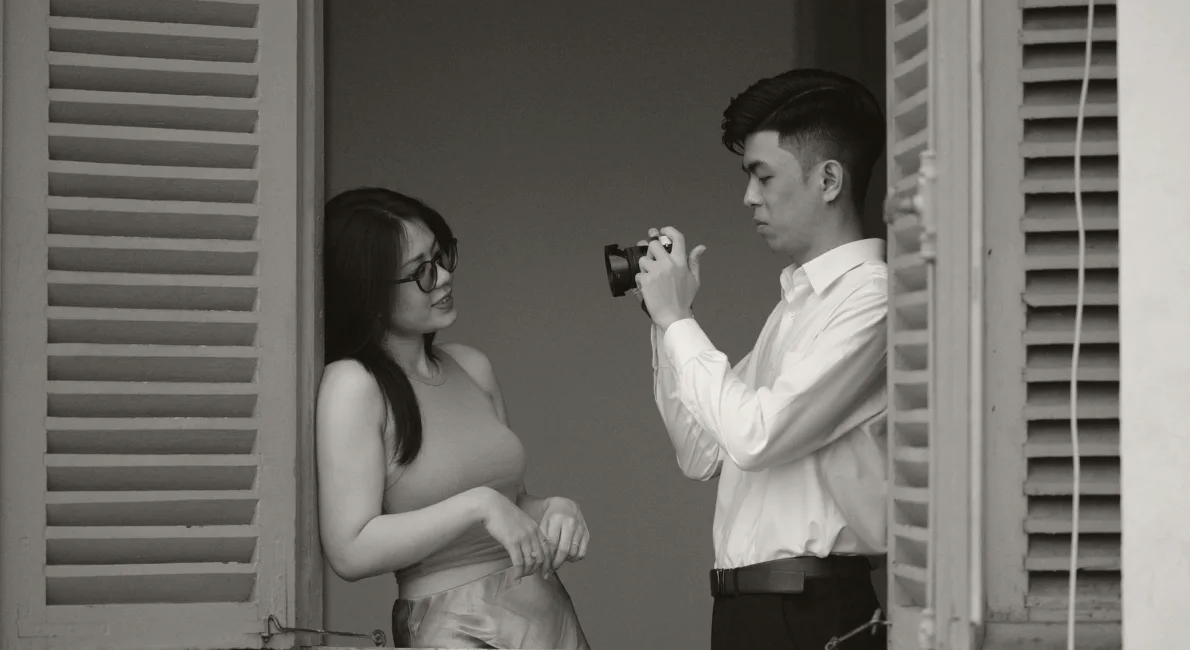
Placing the sitter too far from the window
The first mistake appears within minutes of the evening starting. A sitter is placed in the middle of the room because it feels like the polite, central spot, and the window is treated as background rather than as the light source. The result is a flat, grey face with no shape to it. Window light falls off quickly. A step toward the glass changes the cheek, the eye and the mood of the whole frame.
We ask members to begin with the sitter about an arm's length from the window, angled slightly so the light crosses the face rather than hitting it head on. Then move a little at a time and watch how the shadow side of the face changes. Most people find the right distance in four or five frames, but only if they look at the face between shots instead of rushing to the screen.
- Start close to the window, then step back gradually
- Angle the sitter so light crosses the face
- Look at the face itself, not only the screen
Ignoring the shadow side of the face
Many beginners fix their attention on the bright cheek and never check the other one. The shadow side can fall into near black, hiding an eye or turning a gentle expression into something severe. It is a common reason an otherwise warm portrait of a neighbour looks harder than the person really is.
The remedy is cheap. A sheet of white card, a pale wall or even a folded cloth held opposite the window sends a little light back into the shadow. You do not need to remove the shadow, which gives the portrait its depth. You only need to keep detail in the eye. Hold the card still, ask someone else to hold it if you can, and check the catchlight in the shadow-side eye.
- Use white card or a pale wall as a reflector
- Keep some shadow; aim to save the eye, not erase depth
Rushing the conversation before the camera
The second kind of mistake is not technical. A willing neighbour who has agreed to sit still arrives slightly nervous, and the photographer, anxious about the clock, lifts the camera at once. The sitter stiffens, the smile becomes fixed, and the pictures show exactly that tension. Portraits that feel honest are usually made after ten minutes of ordinary talk.
At our evenings we set tea out first and let members and sitters talk about the street, the weather, whatever comes up. Keep the camera down at your side during that time and pick it up only when the sitter has stopped performing. It also helps to say plainly what the pictures are for and who will see them. A person who knows that is relaxed, and a relaxed face is the real subject of the evening.
- Talk first, photograph second
- Explain where the portrait will be shown
Chasing the perfect smile
Asking someone to smile is the quickest way to lose the person you came to photograph. A held smile tightens the mouth and flattens the eyes, and anyone who has looked through a family album knows the look. The mistake is understandable, because we all grew up being told to smile for the camera.
Try the opposite. Ask a question the sitter enjoys answering, such as how long they have lived on the street, and photograph while they think and speak. Pay attention to the moment just after a laugh, when the face settles. Those in-between expressions tend to be the ones a sitter recognizes as themselves. Keep shooting through pauses, because the best frame often arrives when you believe the moment has passed.
- Photograph while the sitter is speaking or thinking
- Watch the moment just after a laugh
Forgetting consent after the shutter closes
Agreeing to sit is not the same as agreeing to every use of the picture. A common slip is to treat the evening as the end of the conversation. The sitter then sees a portrait in a place they did not expect, and trust in the whole neighbourhood is damaged for a long time.
Before the evening ends, tell the sitter which pictures you plan to keep, where you might show them, and how they can ask you to remove one. Offer to send the chosen frames before anything is shared. Write the agreement down in a sentence or two if the portrait may be printed or posted. It takes two minutes, and it is the habit our story circles return to again and again.
- State where the portrait may be shown
- Offer the sitter a look before sharing
- Note the agreement in writing
Editing too hard afterwards
The final mistake comes at the computer. After a good evening of soft window light, it is tempting to brighten the skin, remove every line and push the colour until the portrait looks polished. The face on screen then belongs to no one in particular, and the neighbour who sat for you may not recognize their own neighbour.
Make changes that a darkroom would have allowed: a little exposure, a gentle crop, perhaps a slight contrast adjustment. Leave the lines, the freckles, the tired eyes. Compare your edit with the unedited frame at full size and ask whether the sitter would still say that is me. At the print review nights, a plainly edited portrait almost always draws the warmest response.
- Limit edits to exposure, crop and mild contrast
- Compare with the original before saving
None of these mistakes is a sign of a poor photographer. They come from hurry, politeness and good intentions, and each has a quiet fix: stand closer to the window, bounce a little light back, talk before shooting, let the face settle, ask for consent and edit lightly. Bring one portrait you are unsure about to the next Portrait Study Evening, and we will look at it together, kindly, beside the window.