
Print Review Nights: Answers to the Questions We Hear Most
Margaret Hollis answers what newcomers ask before their first Print Review Night: what to bring, how feedback works, and how sequencing help for a photo essay is handled.
Margaret Hollis · · 6 min read
What do I actually bring?
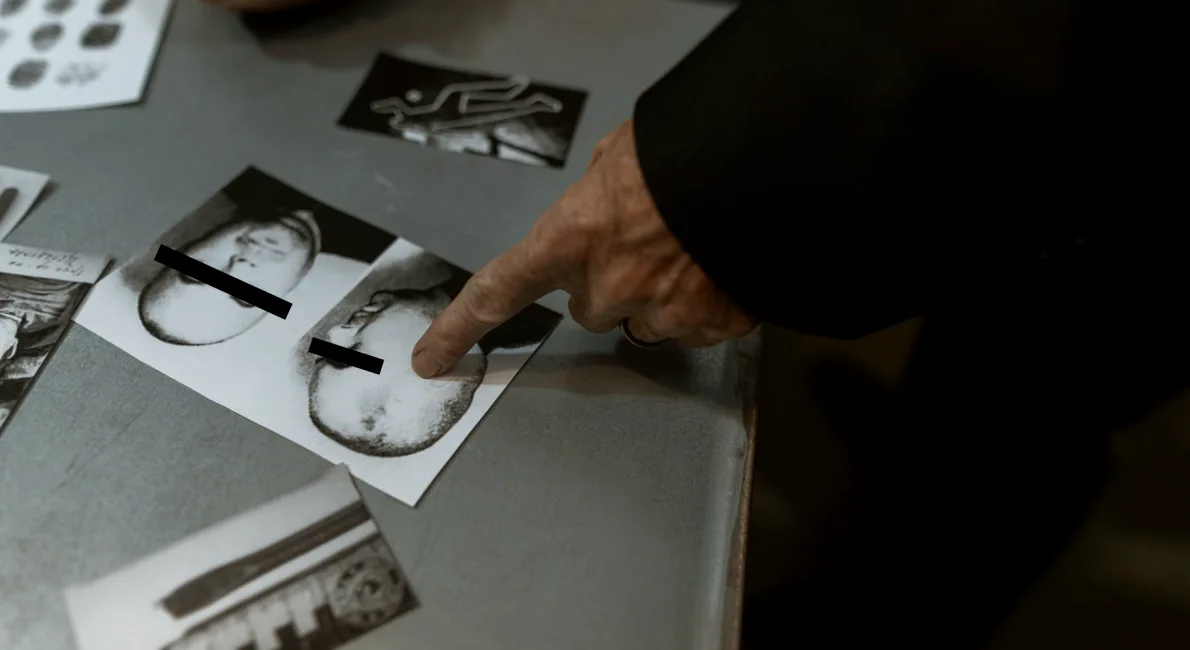
The question comes up before almost every evening, so I will start there. Bring printed work, not a phone or a laptop. A print can be held, tilted toward the lamp and moved around the table, and those small actions change how people look at it. Most members bring between six and twelve prints, which is enough to show a direction without crowding the table.
Size matters less than people fear. A modest print from a home printer is welcome, and so is a lab print mounted on board. What counts is that each image is on paper and that you know roughly why you chose it. If you have a half-finished photo essay, bring the pieces you have and a few spares you doubt. The spares often start the best conversations of the night.
Luc Tremblay, who coordinates the evenings, keeps a stack of plain card and clips near the door for anyone who arrives with loose sheets.
- Six to twelve prints is a comfortable amount
- Home prints and lab prints are equally welcome
- Bring a few images you are unsure about
Is the feedback going to sting?
People worry about this more than anything else, and the worry is reasonable. Nobody likes laying out work they care about and waiting for opinions. The evenings are built to be friendly and constructive, and the way we run them is simple: the person who brought the prints speaks first, and says what they were trying to do.
After that, the group responds to what is on the table rather than to what they would have photographed themselves. We ask people to describe before they judge. Saying what you notice, perhaps a hand at the edge of the frame or a shadow that pulls the eye, is more useful than saying you like it.
If a comment feels unclear, ask for it to be put another way. If you would rather hear only about one image or one question, say so at the start and the group will keep to it.
- The photographer speaks first
- Describe what you see before judging it
- You can limit feedback to one question
What does sequencing help look like?
Sequencing is the part many members come for, and it is the least obvious. A photo essay is more than a set of good pictures. The order tells a reader where to look first, where to pause and how to leave. On the night, we lay your prints in a row and move them while you watch.
Often the first change is small. An image you thought was the opener turns out to work better in the middle, and a quiet picture you almost left at home becomes the ending. We try two or three orders and talk about what each one says. You are never told which is correct. You leave with options and a reason for each.
Some members photograph the finished layout on their phone before packing up, which is a sensible habit, since the table will be cleared for the next person.
- Prints are laid in a row and moved by hand
- Two or three orders are tried and discussed
- Photograph your preferred layout before leaving
Do I need to be experienced?
No. The group includes people who have photographed for decades and people who bought their first camera in the spring. Both are useful at the table. A newer member often asks the plain question that an old hand has stopped asking, such as why a picture was cropped where it was.
We do ask for one thing: respect for the people in the photographs. Many of our members photograph neighbours, relatives and strangers on public streets, and we talk openly about consent and about how an image might feel to the person in it. That conversation is part of the craft, and it is welcome at any level.
If you are nervous, tell Luc or me before the evening begins. We would rather know, and we will make sure you are not asked to go first unless you want to.
- All levels sit at the same table
- Consent and care for subjects are discussed openly
- Tell an organiser if you are nervous
What happens to my prints afterwards?
They go home with you. Nothing is collected, scanned or kept without your say. Luc maintains a shared archive of member photo essays, but work only enters it when its maker chooses to place it there, and it can be taken out again at any time.
If you want to keep a record of the comments, bring a notebook. We do not record the evenings. Members tend to jot down a line or two, a note about an image that was singled out or an idea for a reshoot, and they often return the following month with a changed set.
Prints are handled with care during the evening, but accidents happen near cups of tea. If you have a print you cannot replace, mention it and we will keep it away from the drinks end of the table.
- Prints are returned to you the same night
- The shared archive is entirely opt-in
- We do not record the sessions
How should I prepare in the days before?
Choose your prints a few days ahead rather than on the evening itself. Lay them out at home and look at them over breakfast for a couple of mornings. Images you stop noticing usually need to go, and the ones that keep catching your eye are the ones to bring.
Write one sentence about what the set is about, even if it is rough. It gives the group a way in. Then decide what you want from the evening: a stronger opener, a second opinion on a portrait, or help deciding whether the essay is finished.
Arrive a little early if you can. Settling in without hurry makes the first few minutes easier, and it gives you time to say hello to the others before the prints come out.
- Pick your prints a few days in advance
- Write one sentence about the set
- Decide what you want from the evening
Most of the questions we hear come down to one worry: will my work be treated with care? In my experience it is, because the evening is built around looking closely and speaking kindly. Bring prints you are willing to talk about, a question you would like answered and a little patience with yourself. The table will do the rest, and you may find your essay reads differently by the time you pack up.