
How to Prepare for Your First Neighbourhood Photo Walk
A practical guide to what to bring, how to dress for the weather and how to photograph a street with courtesy, so that a first guided walk feels easy rather than daunting.
Margaret Hollis · · 7 min read
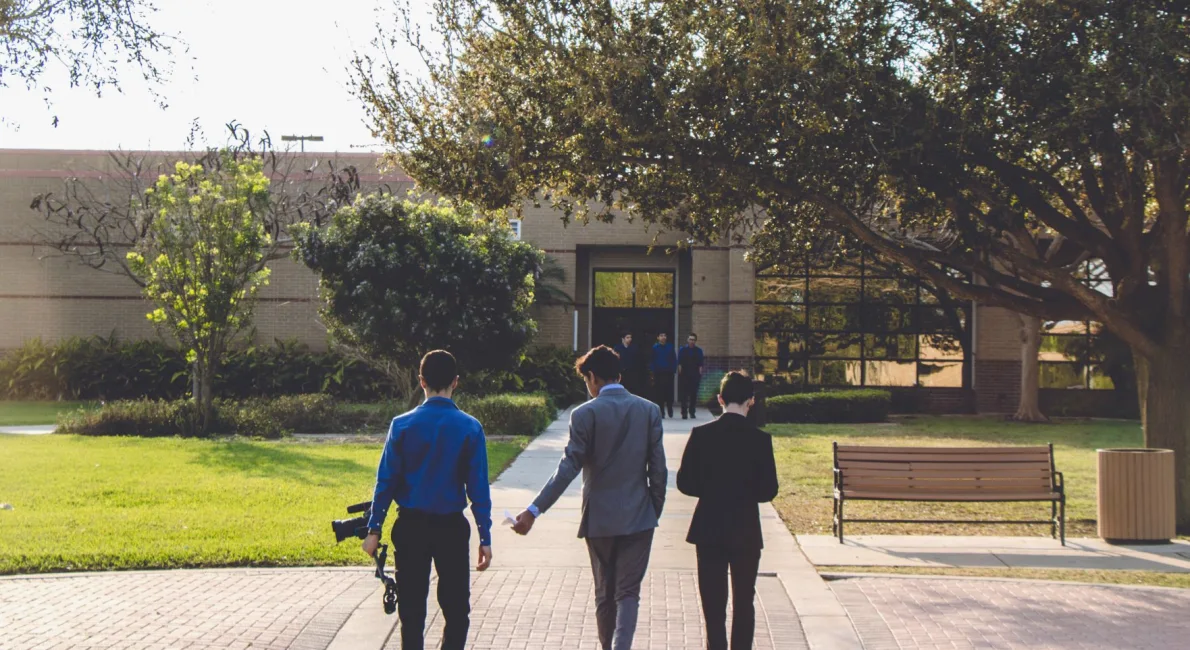
What a photo walk actually is
A Neighbourhood Photo Walk is a slow, guided stroll through local streets and public spaces, during which members practise documentary photography together. It is not a race to collect pretty pictures, and nobody is graded. Daniel Okafor, our walk organiser, plans a loose route in advance, usually a loop that starts and ends in the same place so nobody gets stranded. The pace is deliberately gentle. You will stop often, sometimes for ten minutes at a single doorway or bench, because documentary work rewards patience. People who arrive expecting a brisk tour tend to relax within the first half hour, once they see that standing still and watching is the main skill we are practising.
Most walks run for a couple of hours and cover a short distance, often less than two kilometres. That leaves time to look up at rooflines, down at pavement textures and sideways into the small scenes that make a neighbourhood feel lived in. A shop owner sweeping a step, a pair of neighbours talking over a fence, a handwritten sign in a window: these are the subjects we look for. You do not need to be an experienced photographer. Members range from people who have shot for decades to those who bought a camera last month and want company while they learn.
What to bring in your bag
Keep your kit light. One camera and one lens is plenty, and a phone camera is perfectly welcome. Heavy bags tire you out by the second hour, and a tired photographer stops noticing things. If you own a zoom lens, set it to a moderate range and leave it there for most of the walk rather than constantly adjusting. Bring a spare battery or a fully charged phone, since cold autumn air drains batteries faster than you might expect. A small notebook and pencil are surprisingly useful for jotting down where you were and what caught your attention, which helps later when you sort through your images and decide what belongs in a set.
Carry a water bottle and something small to eat. We usually pause for a warm drink partway through, but it is wise not to count on it. A light cloth for wiping rain or fog from a lens costs almost nothing and saves many frames. Leave the tripod at home. It slows you down, draws attention and makes passers-by feel they are being studied. Handheld work keeps you moving and keeps you unobtrusive, which matters a great deal when the street itself is your subject.
- One camera, one lens, kept simple
- Spare battery or charged phone
- Notebook and pencil
- Water and a small snack
- Lens cloth for damp weather
Dressing for mid-autumn weather
In these weeks the weather around Belleville can change within an hour. Dress in layers you can add or remove without opening your camera bag. A windproof outer layer, a warm middle layer and a thin base layer cover most conditions. Standing still is colder than walking, and photography involves a lot of standing still. Gloves are the detail people forget. Choose a thin pair that still lets you feel the dials and buttons, or fingerless gloves with a mitten flap. Cold fingers fumble settings, and a missed moment is hard to recover once the light or the person has moved on.
Wear comfortable, grippy footwear. Fallen leaves on wet pavement are slippery, and you will often be walking with your eyes on a scene instead of your feet. Waterproof shoes are worth having after a rainy day, when puddles collect at every curb. A hat with a modest brim helps in two ways: it keeps drizzle off your lens and shades your eyes from low autumn sun. Soft, overcast light is a gift for documentary work, so do not be discouraged by a grey sky. Muted colours and even light often make the most honest street photographs.
Photographing people with courtesy
Respect is at the centre of everything we do, and it shapes how we photograph strangers. In a public space you may legally take pictures, but legal and kind are different questions. We encourage members to smile, make eye contact and, when a moment allows, offer a quick word of explanation. Most people respond warmly to honest curiosity. If someone shakes their head or turns away, lower the camera and move on without argument. Delete the frame if you took it. No photograph is worth making a neighbour uncomfortable, and our walks only work because the community trusts us to behave this way.
Children deserve extra care. Do not photograph other people's children without a parent's clear consent, and avoid making them the focus of your frame in a playground or school setting. Daniel reminds the group of this at the start of every walk. When you do want a closer portrait, ask. A short conversation often leads to a better picture than a hidden shot ever could, because the person relaxes and becomes a participant rather than a target. Many of our favourite images began with a simple hello and a question about the place.
- Smile and make eye contact first
- Lower the camera if someone declines
- Delete frames when asked
- Ask a parent before photographing children
Learning to see a street slowly
The hardest habit to build is patience. Choose one spot, such as a corner, a bus shelter or a market stall, and stay put for several minutes. Watch how people move through the space, where they pause and what they glance at. After a while the scene begins to repeat its small patterns, and you can anticipate a gesture before it happens. Look for relationships between things: a bicycle leaning on a faded mural, a shopkeeper framed by a doorway, a line of coats on hooks. Documentary photography is less about dramatic subjects than about noticing how ordinary elements sit together and what they quietly say about the people who live there.
Try setting yourself one small theme for the walk, such as doorways, hands or reflections. A theme narrows your attention and gives your pictures a loose coherence, which helps if you later bring them to a Print Review Night for feedback on sequencing. Do not chase a great shot every minute. Some of the most rewarding walks produce only five or six frames worth keeping. That is a perfectly good result. Quality of attention matters far more than the count of images on your card at the end.
After the walk
Resist the urge to review everything on the camera screen while still walking, since it pulls you out of the scene. Wait until you are home, warm and unhurried. Copy your files, then go through them once quickly and once slowly, marking only the frames that still interest you after a night's rest. Write down a few lines about each keeper: where it was taken, what you noticed and what drew you to it. These notes become the beginnings of captions, and meaningful captions are what turn a loose photograph into part of a story that other people can read and understand.
If you are happy to share, bring a few prints to a review night, where Luc Tremblay and other members offer friendly, constructive comments. Nobody expects polished work. Honest questions about what a picture is trying to say are far more useful than praise. Keep a simple folder for each walk, labelled with the place and the season. Over months, those folders become a quiet record of how a neighbourhood changes, and how your own eye develops with practice.
A first photo walk asks very little of you: a light bag, warm layers, patience and a willingness to ask before you photograph someone. Everything else is learned by doing it alongside others who are also looking carefully. Come curious, walk slowly and treat every person you meet as a neighbour rather than a subject. The pictures that matter most tend to follow from that attitude, and you will find your own way of seeing within a few outings.