
How a Neighbourhood Photo Walk Is Planned, Led and Wrapped Up
A look behind the scenes at how our photo walks come together: scouting the route, setting the pace, looking after members and what happens to the pictures afterwards.
Luc Tremblay · · 6 min read
Scouting the route before anyone arrives
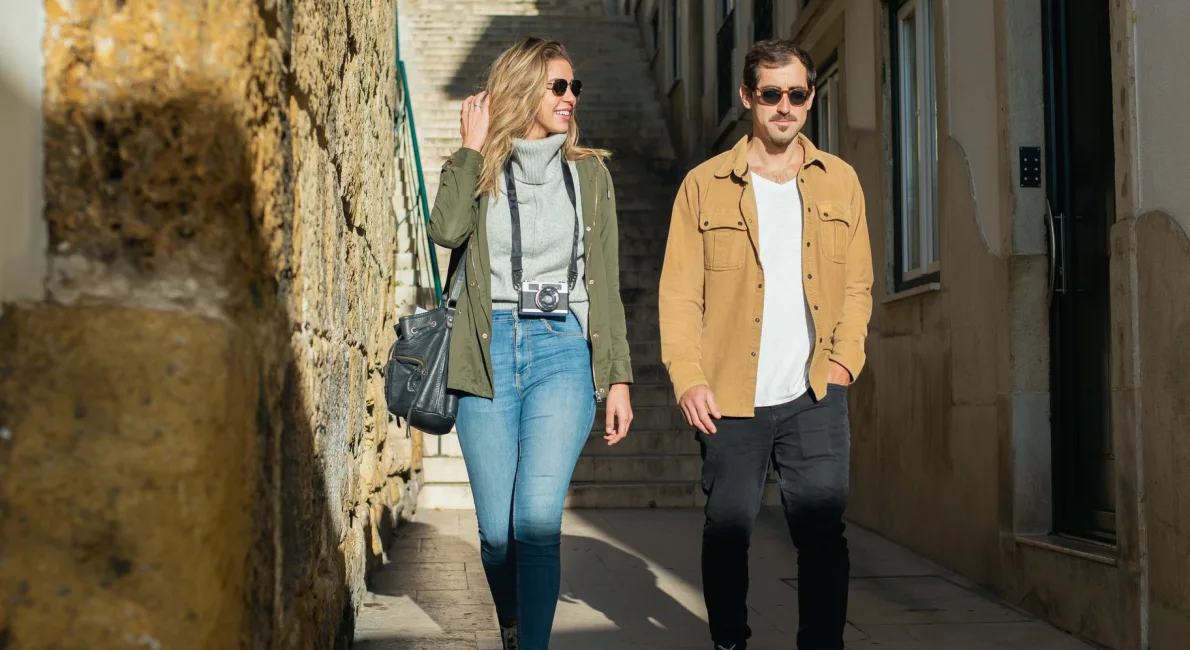
A photo walk starts days before the group meets. Daniel Okafor, who organises the walks, goes over the route on foot at the same hour the walk will run, because a street that looks flat at noon can be full of long shadows and warm window light by late afternoon. I have joined him on a few of these scouting loops, and the notes he keeps are plain: where the pavement narrows, where a bench gives people a place to rest, where a doorway frames a good view.
He also checks the practical things that never show up in a photograph. Is there a public washroom within a short distance? Is there somewhere dry to stand if a mid autumn shower comes through? Are there stretches where wet leaves make the footing uneven? A route that works for a confident walker may not suit someone with a bad knee, so he keeps a shorter version in his pocket.
The goal is a loop of modest length with plenty of variety: a main street, a side lane, a small park or public square, and one or two spots where people naturally gather.
- Visit at the same time of day as the walk
- Mark washrooms, benches and covered spots
- Keep a shorter alternative route ready
Setting expectations at the meeting point
We gather a little early, and the first ten minutes matter more than most people expect. Daniel introduces himself, says how long the walk will take and where it ends, and asks everyone to say, in a sentence, what they hope to photograph. Some members want to practise portraits of strangers; others only want to notice the details of a brick wall. Both are welcome, and saying so out loud takes the pressure off.
He then covers the ground rules briefly. We photograph public spaces, we stay aware of who is in the frame, and we ask before making a close portrait of anyone. If a person says no, we thank them and move on without any fuss. These are the same community guidelines Margaret Hollis wrote for the whole project, and hearing them said in person lands better than reading them on a page.
Nobody needs special equipment. Phones and older cameras are common, and a few members bring film cameras they have not used in years.
How the walk itself unfolds
The pace is deliberately slow. A typical walk covers less distance than people assume, because the point is looking rather than arriving. Daniel stops the group at a few places and offers a small prompt: photograph only things that repeat, look for the way light lands on a surface, or find a gesture that tells you something about the street. The prompts are suggestions, never assignments, and plenty of members wander off to follow their own interest.
He walks the length of the group during the afternoon, checking in with newcomers, answering questions about settings, and quietly steering people who are drifting toward trouble, such as standing in a doorway where someone is trying to get out. When a member photographs a stranger and the stranger is curious, Daniel is usually the one who explains what we are doing and why.
Somewhere around the midpoint we pause for a few minutes, sit, and let people compare what they have noticed so far.
- Prompts are offered, never required
- Newcomers get a check-in partway through
- A mid-walk pause lets the group compare notes
Looking after consent on the street
Consent is the part of the work that cannot be rushed, and it is where a guided walk helps most. Members often feel torn between wanting a candid picture and not wanting to intrude. We talk about this openly. A wide shot of a market stall is one thing; a close portrait of the person selling vegetables is another, and it begins with a conversation.
Daniel models this on every walk. He will greet a shopkeeper, mention that the group is practising photography, and ask whether it is fine for people to take pictures nearby. Most are generous, and some are glad of the attention. A few politely decline, and we respect that completely. Members learn that asking rarely ruins a picture and often improves it, because the person relaxes.
We also remind everyone that a photograph of a neighbour is a small act of trust. If someone later asks for a picture to be removed from a shared folder, we remove it, no explanation needed.
What happens to the pictures afterwards
The walk ends at a nearby cafe or hall where members can sit, warm up and scroll through what they made. This is the quiet part I look forward to. People who said very little on the street often have the most surprising frames, and hearing someone describe why a particular picture mattered to them is a good lesson for the rest of us.
Members who want to take their work further can bring prints to a Print Review Night, which I coordinate. A walk is often the first source for a small photo essay: a handful of images from one street, sequenced so they say something together. I keep the shared archive of member photo essays in order, so a set from a walk has a place to go.
None of this is compulsory. Many members simply enjoy the afternoon and keep their pictures for themselves, which is a perfectly good outcome.
- Debrief over a warm drink after the walk
- Selected sets can move on to a review night
- Removal requests are honoured without question
The quiet work nobody sees
Behind each walk is a small amount of steady administration. Daniel confirms the meeting point, checks the weather, and sends a short reminder with clear directions and a note on footwear. He keeps an eye on how many people are coming so the group stays small enough that no one is left at the back. If the forecast looks poor, he decides early, and tells members plainly rather than leaving them guessing.
Afterwards he writes a few lines about what worked and what did not: a stretch that was too crowded, a prompt that fell flat, a corner where the light was lovely. Over several seasons those notes have shaped a collection of routes that suit Belleville in each time of year, including the low gold light of autumn.
None of it is glamorous, but it is the reason a walk feels easy to the person joining for the first time.
A good photo walk looks effortless because the planning is thorough and the rules are kind: a scouted route, a slow pace, consent handled openly and a place to sit afterwards. If you have wondered how these afternoons actually run, that is the whole of it. Bring whatever camera you own, a pair of comfortable shoes and a willingness to look closely at the streets you thought you already knew.