
Common Mistakes at Print Review Nights and How to Avoid Them
Members bring prints to be looked at kindly and honestly. These are the slips I see most often at the table, and the small habits that make an evening more useful.
Daniel Okafor · · 6 min read
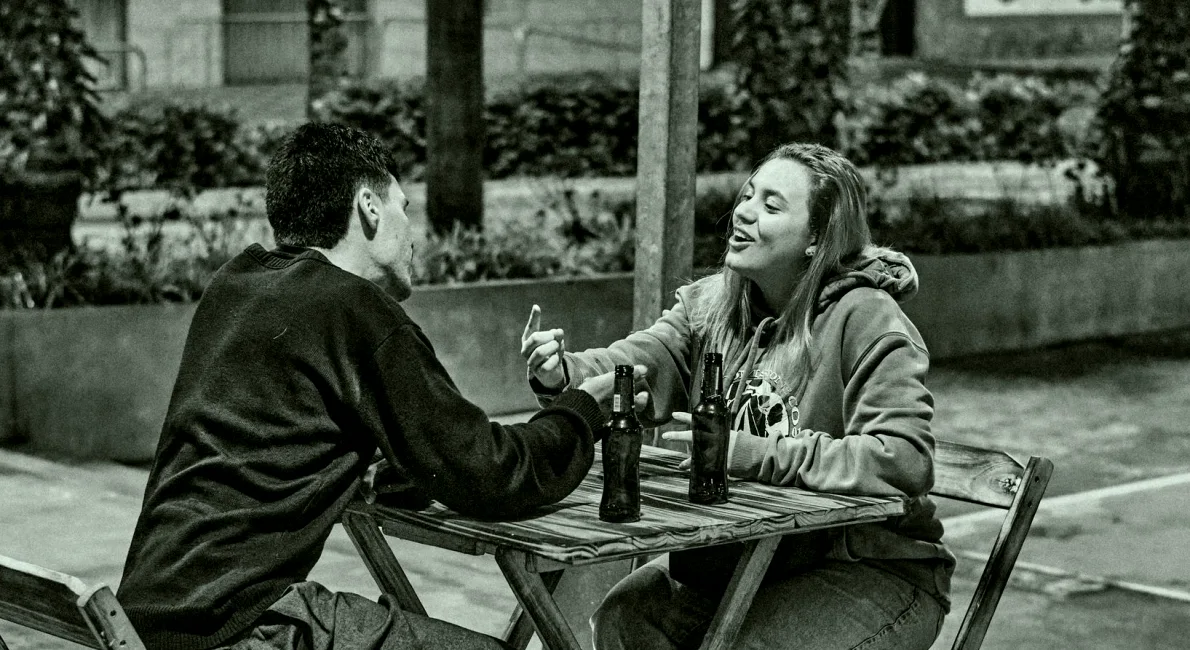
Bringing too many prints to the table
The most common mistake I see is generosity. A member arrives with forty prints in a folder, wanting every one of them to be seen. By the tenth, the room has lost the thread, and the feedback turns polite and thin because nobody can hold that much in mind at once.
Print Review Nights work best when the work is small enough to be considered properly. Luc Tremblay, who coordinates the evenings, usually suggests between eight and twelve prints for a photo essay, and fewer if you only want opinions on single images. A smaller selection also forces you to decide what you actually believe in.
Choosing is itself part of the craft. If you cannot pick, bring a few extra in a separate envelope and say so. The group can ask for them if a question comes up, but they will not crowd the first conversation.
- Aim for eight to twelve prints for a sequence
- Keep spares in a separate envelope
- Decide beforehand what you want feedback on
Printing everything at the same size and finish
Another slip is treating the print as an afterthought. Photographs sent through a quick home printer at mixed sizes, on whatever paper was in the tray, often look flat and uneven on the table, and the conversation drifts to the printing rather than the pictures.
You do not need expensive materials. What helps is consistency: the same paper, a similar size and a margin you can hold without leaving thumbprints on the image. When a set looks like it belongs together, the group can judge the photographs themselves.
If you are unsure how a picture will look on paper, bring a test print and tell us. Many members are surprised by how much darker a shadow becomes once ink meets paper, and a review night is a cheap place to learn that before a larger print is made.
- Use one paper and one size for a sequence
- Leave a clean margin for handling
- Mention it if a print is only a test
Defending the picture instead of listening
It is natural to explain. Someone says a frame feels crowded on the left, and the photographer responds with the story of the day it was taken, the cold, the long wait, the neighbour who finally agreed to stand there. The story is real, but a viewer will never receive it with the print.
I ask members to try a simple discipline. Let the room speak first, write down what you hear, and save your explanation for the end. What people see without help is the most honest information you will get about how the work reads.
This does not mean agreeing with everything. You are free to keep a picture others dislike. But you will decide with better evidence, and the habit of listening quietly tends to make the next round of comments warmer and more specific.
- Let others speak before you explain
- Take notes instead of answering each point
Mistaking sequence for a pile of good pictures
Photo essays are often the reason people come, and the sequencing mistakes are consistent. Members place their strongest images first and let the rest trail off, or they group pictures by place when the story is really about a person. A set of fine photographs is not yet an essay.
At the table we move the prints around, which is the great advantage of paper over a screen. Try an opening that sets the scene, a few frames that move closer, a quiet pause and an ending that does not simply repeat the first picture.
Do not be afraid to remove a beautiful frame that does not serve the thread. Several members have found that dropping their favourite print improved the whole set, and they kept the image for another project rather than losing it.
- Open with context, then move closer
- Allow one quiet frame in the middle
- Cut a favourite if it breaks the thread
Forgetting the people in the pictures
Documentary work depends on the goodwill of the people we photograph, and review nights are a place to check that we have honoured it. A common oversight is bringing a portrait of a neighbour without having asked whether the picture may be shown to a room of strangers.
Our guidelines are simple. If you photographed someone you know or met, tell the group how they agreed and what they understand will happen with the image. If the agreement was loose, say so, and consider going back to ask again.
This is not a test you can fail. Most members simply have not thought about it until someone asks, and the question usually leads to a better conversation about captions, consent and the dignity of the person in the frame.
- Say how each person agreed to be photographed
- Revisit loose agreements before sharing widely
Giving feedback that helps nobody
The other half of a review night is the comments we give. Vague praise such as lovely, great light, feels good leaves the photographer with nothing to act on, and blunt dismissal does the opposite damage, closing a person down for the evening.
The most useful remarks are specific and kind. Point to a place in the print: the eye goes to the bright door and misses the hands, the horizon cuts the figure at the neck. Then offer a question rather than a verdict, such as what happens if you crop closer.
If you are new, begin by describing what you see. Description is safer than judgment, and it often reveals more to the photographer than they expected. Confidence in giving feedback grows over a few evenings, and nobody is expected to arrive with it.
- Point to a specific place in the print
- Ask a question rather than deliver a verdict
- Describe first, judge later
None of these mistakes is serious, and nearly every member makes at least one in the first few visits. Bring fewer prints, print them with care, listen before you explain, think about order, remember the people in the frame and give comments others can use. The evenings are friendly by design, and the point is simply to leave with a clearer sense of what your pictures are saying.